SODICK Targets AI and Data Center Demand to Drive EDM and Injection Molding Growth


Yuji Akutsu, President and CEO of SODICK, said the company has identified the AI and data center markets as priority areas under its new four-year medium-term management plan through 2029. SODICK aims to expand sales of electrical discharge machines (EDM) and injection molding machines, supported by growing demand for fiber-optic connectors used in data centers, while targeting net sales of ¥100 billion and operating profit of ¥10 billion by 2029.
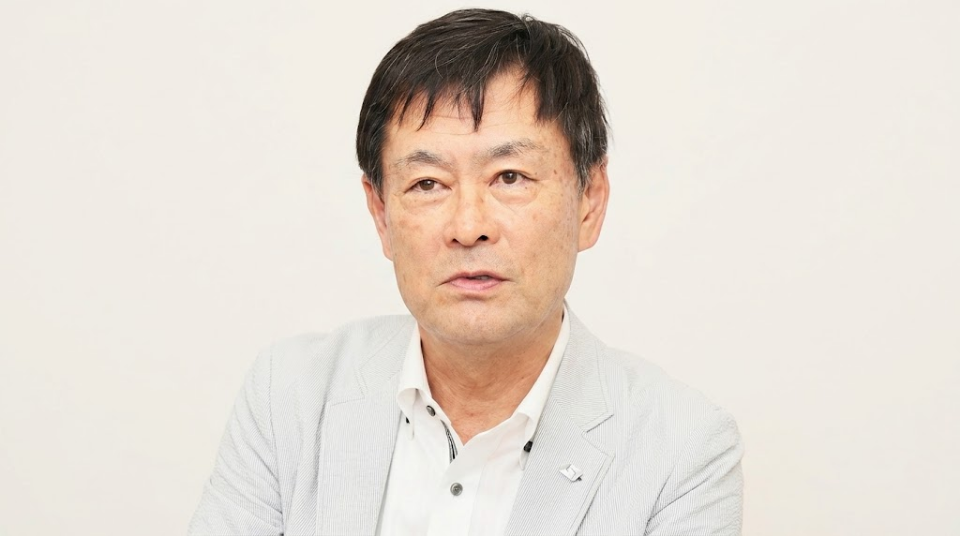
Yuji Akutsu, President and CEO of SODICK
SODICK Targets ¥100 Billion in Net Sales by 2029
Japan, August 14, 2026 — Akutsu said SODICK established targets for each business after first setting company-wide goals, including a net sales target of ¥100 billion for 2029, up from ¥80.5 billion previously.
The company is targeting ¥10 billion in operating profit, compared with ¥4.2 billion for the fiscal year ended December 2025.
The machine tool business, which includes electrical discharge machines, has the largest sales target at ¥71 billion, compared with ¥59.1 billion previously.
Akutsu noted that while SODICK handles a wide range of products, there are areas where growth has stagnated, making clear targets for each business necessary.
⟶ Read more: Sodick’s Medium-Term Management Plan
Data Centers Drive Demand for EDM and Injection Molding
One of the growth opportunities SODICK sees is the market for fiber-optic connectors used in data centers.
Akutsu said connectors require precision to ensure 100% data transmission. As connectors evolve to feature higher pin counts, more small holes are required in the molds used to produce them.
Small-hole EDM and wire-cut EDM machines are used to machine these features into molds. Injection molding machines are then used to mold the connectors by injecting resin into the molds.
SODICK expects continued growth in the data center sector, driven by ongoing investment in both China and the United States.
Expanding Automation Across the Manufacturing Process
Asked about expanding automation in the machine tool business, Akutsu said SODICK has a system that integrates an EDM with a robot and enables the automatic replacement of both wire and workpieces within a single unit.
Users can customize the number of wires used and the desired stock levels.
As part of its after-sales services, the company also collects and recycles used wire and aims to increase the recovery rate.
Focusing Injection Molding on Stronger Demand
Regarding the industrial machinery business, particularly injection molding machines, Akutsu said the market is highly competitive and subject to tight pricing.
Chinese-made products have made significant inroads into some market segments, including buckets. SODICK has decided not to compete in these areas because doing so would not generate sufficient profitability.
Instead, the company is focusing on areas where it is seeing strong orders for injection molding machines and greater opportunities for growth.
SODICK to Increase Production in Japan and Thailand
SODICK currently produces approximately 60 injection molding machines per month across its facilities in Kaga City, Ishikawa Prefecture, and Thailand.
Akutsu said the company plans to increase production in stages, with the goal of nearly doubling output by 2027.
The production expansion forms part of SODICK's strategy to grow its injection molding business amid strong orders and demand related to the data center market.
AI and Data Centers Create New Opportunities for Machine Tools
Under its new medium-term management plan, SODICK is placing greater emphasis on the AI and data center markets, linking data center demand with the production of components that require high levels of precision.
This ranges from using EDM to produce molds with small holes to using injection molding machines to mold fiber-optic connectors.
At the same time, SODICK is expanding automation and production capacity to support its business growth targets through 2029.
Source: Nikkan Kogyo Shimbun